
books
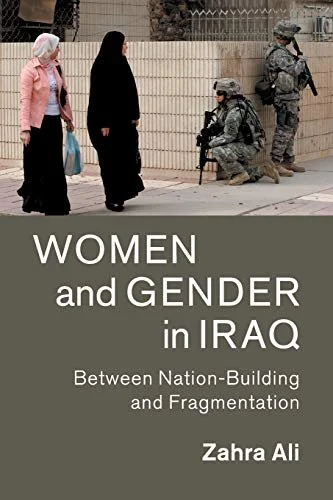
Women and Gender in Iraq
Her book Women and Gender in Iraq published by Cambridge University Press in 2018, translated into Arabic by Academic Center for Research and French by Editions Syllepse, is a sociology of women, gender, and feminisms in contemporary Iraq drawing from transnational and postcolonial feminist theory and based on in-depth ethnographic work conducted in the country following the U.S. invasion and occupation.
Read the introduction here.
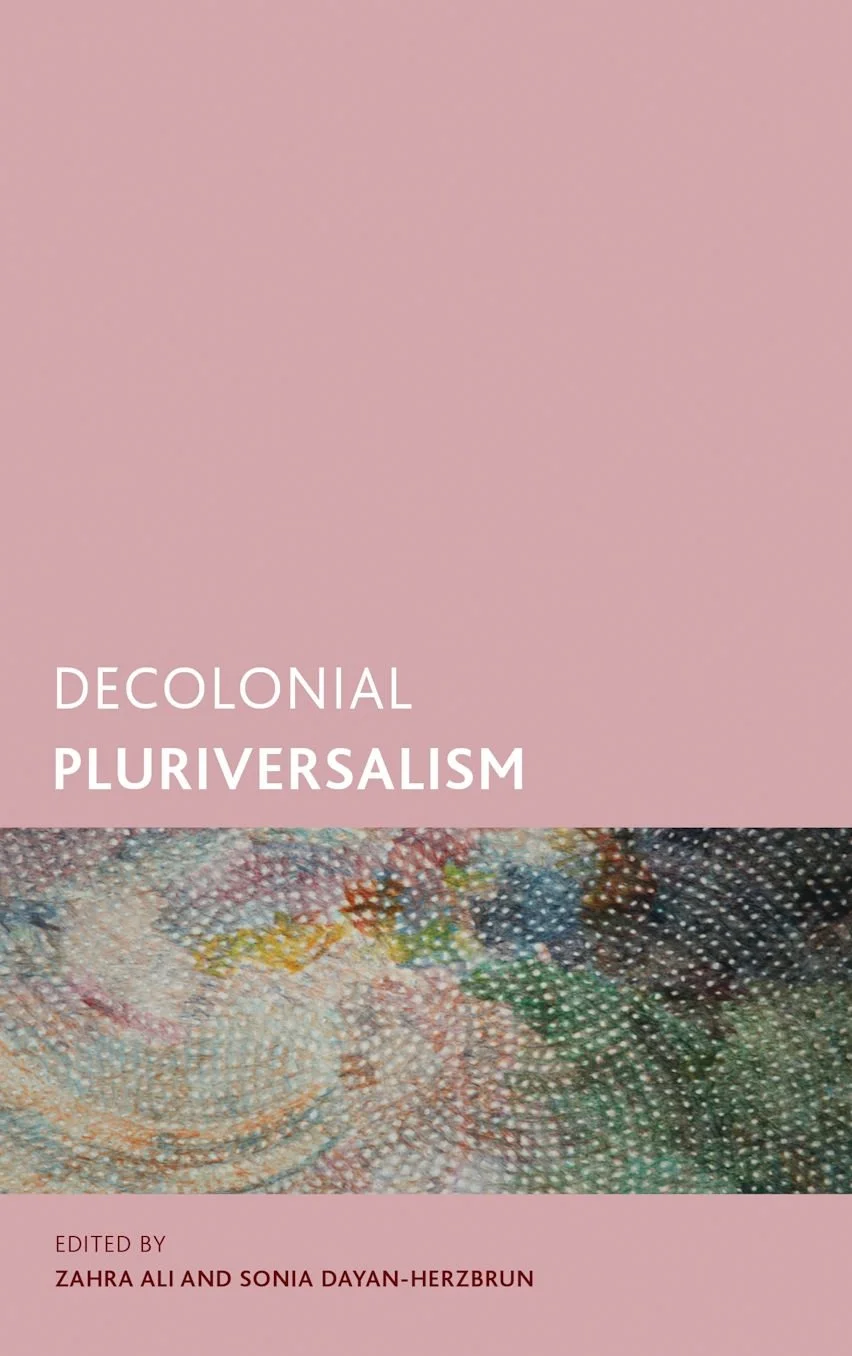
Decolonial Pluriversalism
Decolonial Pluriversalism was co-edited with Professor Sonia Dayan-Herzbrun and published by Rowman & Littlefield’s Creolizing the Canon series in 2024. The book explores decolonial theories and non-Eurocentric epistemologies, aesthetics, political thoughts, and activisms.
Read the introduction here.
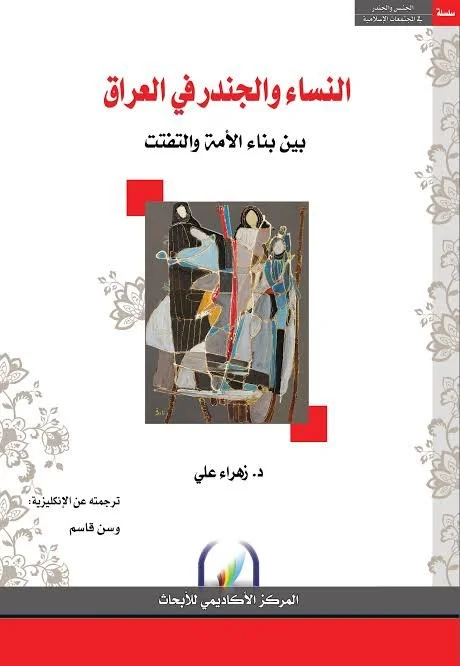
النساء والجندر في العراقالنساء والجند في العراق يقدم دراسة سوسيولوجية للنساء والجندر والنسويات في العراق المعاصر من خلال تحليل مبني على نظريات النسوية الما بعد القومية وما بعد الكولونيالية ومن خلال بحث إثنوغرافي تم اجراءه في البلد بعد الغزو والاحتلال الأمريكي
اقرأ مقدمة الكتاب هنا
Gendering the Arab Archive
Gendering the Arab Archive (In Arabic: Jendera al-Arshif al-‘Araby) was co-edited with Hoda Elsadda, Leyla Dakhli, Lamia Moghnieh, Hana Sleiman, and Reem Joudi, and published by the Arab Council for the Social Sciences in 2025.
Read the volume in Arabic here.
Femmes et Genre en Irak
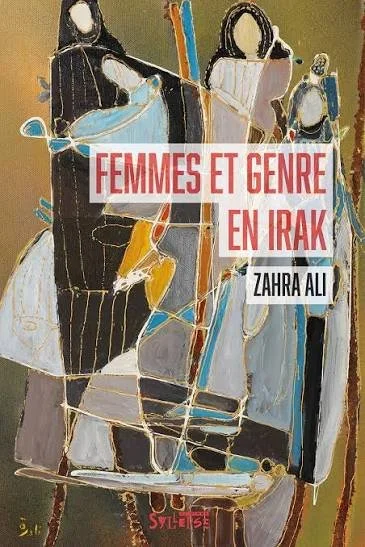
Femmes et Genre en Irak présente une étude sociologique des femmes, des questions de genre, et de féminismes dans l’Irak contemporain, à partir d’une analyse féministe transnationale et postcoloniale, ainsi qu’une recherche ethnographique menée dans le pays après l’invasion et l’occupation américaine.
Lire l’introduction du livre ici.
Féminismes islamiques
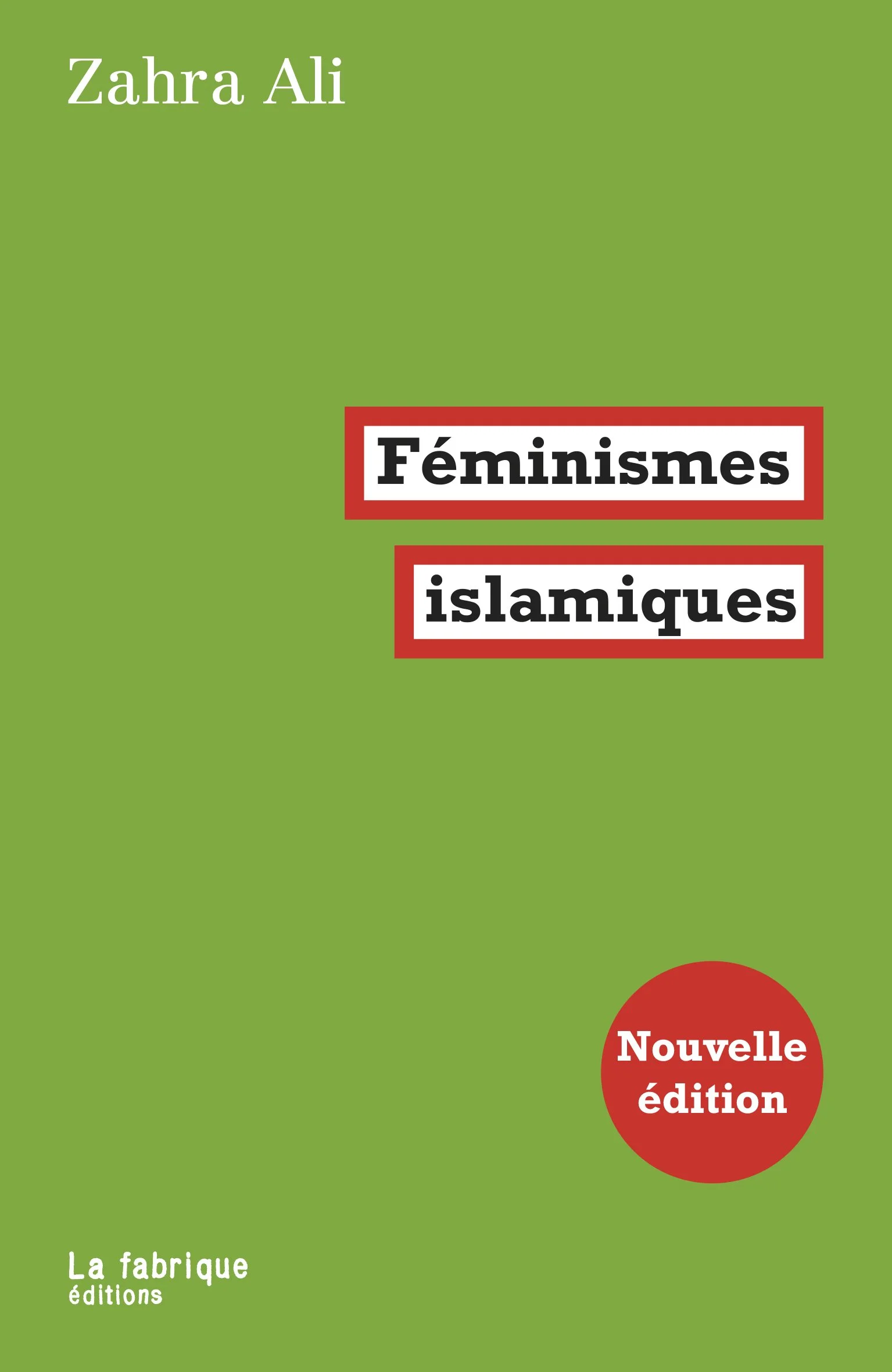
Féminismes islamiques‘s first edition was published by La Fabrique in 2012, its second edition was published in 2020. The book reflects on transnational Muslim feminisms as an intellectual movement through postcolonial feminist perspectives highlighting the voices of Muslim scholars and activists around the world. It drew on Zahra’s ethnographic work on Muslim feminists in France. It was translated in German and Turkish in 2014, and in Spanish in 2019.
Read the introduction here.